
What to Expect During the Restoration Process
People searching for storm restoration often want to understand what to expect during the process, and local contractors can help manage repairs efficiently and reliably.
Understanding what to expect during the restoration process can provide valuable peace of mind for property owners facing storm damage. When severe weather impacts a property, the path to recovery involves several key steps, from initial assessment to final repairs. Knowing how local contractors typically handle each phase can help property owners stay informed and prepared, ensuring the process moves smoothly and efficiently. Whether it’s dealing with water intrusion, wind damage, or structural issues, local service providers are equipped to guide property owners through each stage with practical expertise.
For those exploring storm restoration options, recognizing what occurs during the restoration process can clarify what’s involved and what to anticipate along the way. Local contractors often coordinate assessments, mitigation, repairs, and cleanup, making the experience less overwhelming. Staying informed about these steps can also help property owners understand the scope of work and how local pros can help restore safety and stability to their property after storm-related incidents. Keep reading to learn more about what to expect during the restoration journey.
- Roof repairs - when storm damage causes leaks or structural issues, local contractors assess the damage and perform necessary repairs to restore roof integrity.
- Siding replacement - after severe weather, service providers handle siding damage or detachment, ensuring the exterior is properly restored and protected.
- Window and door restoration - in cases of impact or water intrusion, local pros secure and replace damaged windows and doors to improve security and energy efficiency.
- Interior water damage mitigation - when flooding or leaks occur, local service providers evaluate and address water intrusion to prevent mold growth and further damage.
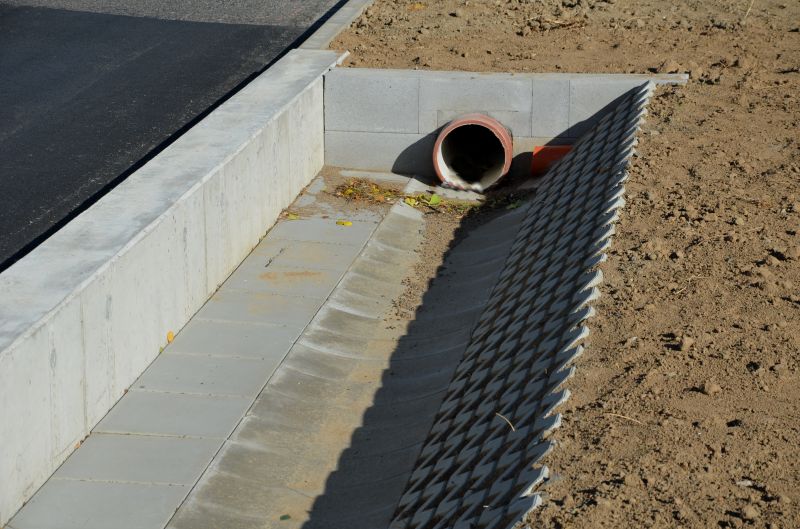
- Gutter and drainage system repairs - after storms, contractors repair or replace damaged gutters to ensure proper water runoff and protect the structure.


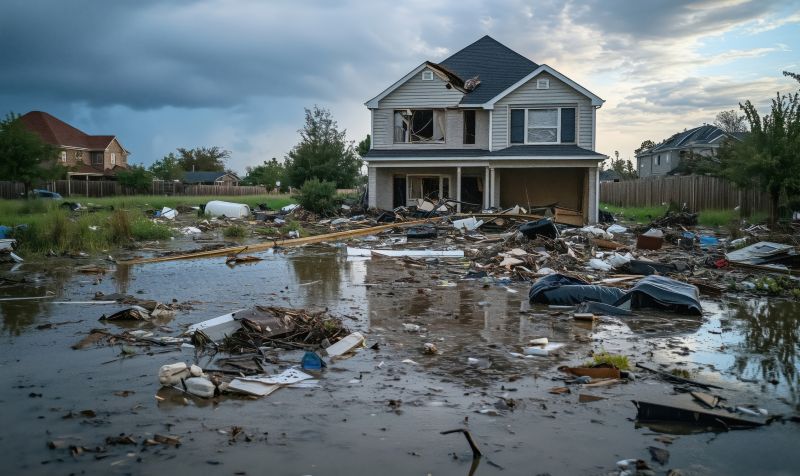
Understanding what to expect during the restoration process is important for homeowners facing damage caused by storms or severe weather. When searching for this information, many are looking to understand the typical steps involved in repairing or restoring their property after a storm-related incident. This process often relates to problems such as roof damage, flooding, broken windows, or structural issues that can compromise safety and property value. Homeowners want to know how repairs will unfold, what kind of work will be necessary, and how local service providers can assist in returning their property to its pre-storm condition.
The restoration process generally begins with an assessment of the damage by local contractors who specialize in storm-related repairs. This evaluation helps identify the scope of work needed, whether it involves replacing roofing materials, repairing siding, or addressing water intrusion. Homeowners should expect a thorough inspection to determine the extent of the damage and to develop a plan for repairs. Throughout this process, local pros will coordinate necessary steps such as securing permits, ordering materials, and scheduling work. Understanding these stages can help homeowners prepare for the work ahead and facilitate smoother communication with service providers.
The types of properties that often undergo storm restoration include residential homes, multi-family dwellings, and sometimes small commercial buildings. Single-family houses are the most common, especially in areas prone to hurricanes, tornadoes, or heavy storms. These properties may experience roof damage, fallen trees, or flooding that requires immediate attention. Multi-family complexes and apartment buildings may also need storm restoration services if weather events cause widespread damage. Local contractors who specialize in storm restoration are equipped to handle these diverse property types, ensuring that each project is tailored to the specific needs of the structure and its occupants.
Throughout the restoration process, homeowners can expect a combination of repairs, cleanup, and sometimes reconstruction. It’s common for local service providers to start with securing the property, removing debris, and addressing urgent structural concerns. As work progresses, repairs will focus on restoring the property’s exterior and interior, often involving multiple trades such as roofing, carpentry, and water damage mitigation. Clear communication with local pros can help homeowners understand what each phase involves, what to prepare for, and how the work will ultimately restore their property. This collaborative approach ensures that the project moves forward efficiently and effectively, minimizing stress during what can be a challenging time.
Water Damage Repair - professionals skilled in water extraction, drying, and structural repairs are essential for restoring properties affected by storm-related flooding.
Roofing Services - local contractors experienced in storm damage assessment and roof repairs help prepare homes for weather resilience and address leaks during the restoration process.
Siding and Exterior Repair - experts in exterior repairs restore damaged siding and facades, ensuring the building’s integrity and protection against future storms.
Mold Remediation - specialists in mold removal and prevention work to address issues caused by water intrusion during storm damage restoration.
Gutter and Drainage Solutions - service providers improve drainage systems to prevent water accumulation, supporting the overall restoration effort.
Structural Reinforcement - contractors focused on strengthening building frameworks help ensure safety and durability after storm-related damage.
When comparing service providers for storm restoration, it’s important to consider their experience with similar projects. Local contractors who have handled storm-related damage in the past are more likely to understand the common challenges and the typical steps involved in the restoration process. Their familiarity with the specific needs of storm-affected properties can help ensure that the work is performed efficiently and thoroughly, reducing the likelihood of overlooked issues or future problems. Asking about previous projects or requesting references can provide insight into their level of experience and the quality of their work in similar situations.
Clear written expectations are essential when evaluating potential service providers. A reputable contractor should be able to outline what the restoration process will involve, including the scope of work, the materials used, and the approximate timeline. Having these details in writing helps prevent misunderstandings and ensures that homeowners are aligned with the contractor’s approach. It also provides a point of reference throughout the project, making it easier to address any questions or concerns that may arise during the restoration process.
Good communication and reputable references are key indicators of a dependable local contractor. Service providers who communicate clearly and promptly can help keep homeowners informed about progress and any unexpected issues. Additionally, references from past clients who have experienced storm restoration projects can offer valuable insights into the contractor’s reliability, professionalism, and quality of work. Taking the time to verify references and assess communication habits can help homeowners select a service provider that is transparent, responsive, and capable of managing the complexities of storm damage repairs effectively.
Property owners often search for what to expect during the restoration process when they are planning practical projects around their homes and businesses. Local pros provide Storm Restoration services for everyday jobs and straightforward project options.

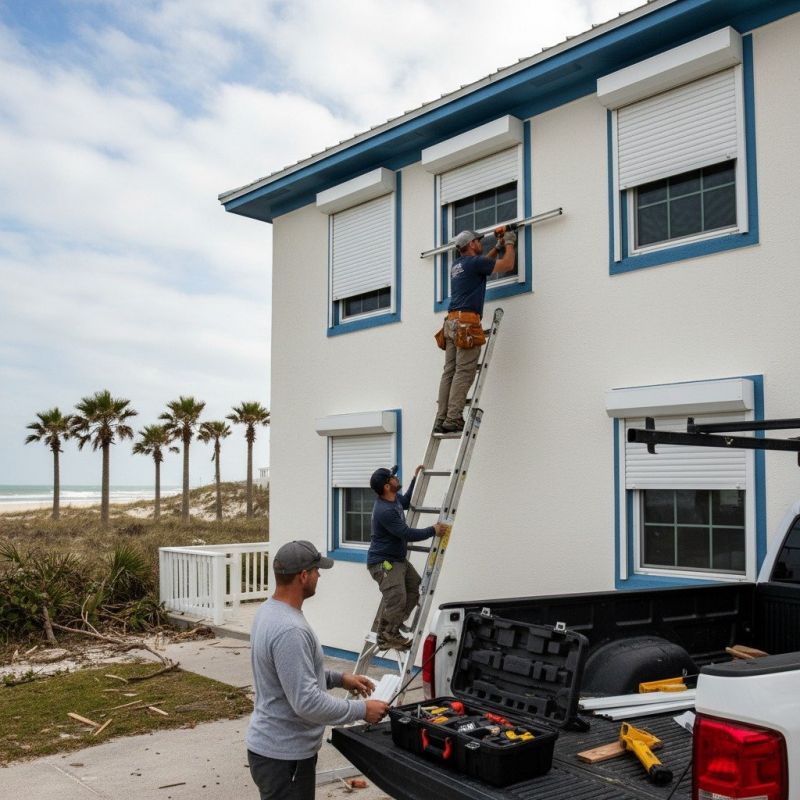
During the storm restoration process, property owners can generally expect a series of coordinated steps carried out by experienced local contractors. After the initial assessment, restoration teams typically begin by securing the property and addressing immediate safety concerns, such as tarping damaged roofs or removing debris. As work progresses, homeowners might see the installation of temporary measures to prevent further damage, followed by repairs to damaged structures, roofing, or siding. Throughout this process, it’s common for property owners to experience some disruptions, like noise or limited access to certain areas, but these are part of the effort to restore the property to its pre-storm condition.
Understanding what to expect during the restoration process can help property owners feel more prepared and less overwhelmed. Local service providers often keep property owners informed about the progress and any necessary steps to take, such as securing personal belongings or making temporary accommodations. The goal of these restoration efforts is to return homes and businesses to normal as efficiently as possible, with the expertise of local contractors ensuring that repairs are handled thoroughly and professionally. This approach provides reassurance that experienced professionals are managing the work every step of the way.
What should I expect during the restoration process after storm damage? During storm restoration, local contractors typically assess the damage, secure the property, and begin repairs or replacements as needed. They work to restore your home’s structure and protect it from further issues, providing guidance along the way.
How do local service providers handle the different stages of storm restoration? Local pros usually start with an inspection to determine the scope of work, followed by debris removal, repairs to roofing or siding, and then interior restoration if necessary. They coordinate each step to ensure a smooth process.
What kind of work is involved during storm restoration? The restoration process often includes roof repairs, siding replacement, water damage mitigation, and interior repairs. Service providers focus on restoring the property to its pre-storm condition efficiently.
Will I need to be involved during the restoration process? While the process is managed by local contractors, property owners are typically kept informed and may be asked to approve certain repairs or provide access to the property as needed.
What are the key things to keep in mind about what to expect during storm restoration? Expect a thorough assessment, coordinated repairs, and regular updates from local service providers. They aim to restore safety and functionality to the property while handling the necessary restoration tasks professionally.
Assessment and Inspection - Local contractors will evaluate storm damage to determine the scope of restoration needed, helping property owners understand what repairs are necessary.
Preparation and Protection - Pros may set up temporary barriers or coverings to safeguard the property during restoration, minimizing further damage.
Restoration and Repairs - Skilled service providers will handle repairs such as roof, siding, and window replacements to restore the property’s integrity.
Final Inspection and Cleanup - Contractors will ensure all work meets standards and remove debris, leaving the property ready for everyday use.
If you are thinking about what to expect during the restoration process for a property, this guide is meant to help you understand this topic, the typical project types, and how different options might fit your plans.
When you are ready, you can use the quote form on this page to share a few details about your project. From there, local pros can review the basics and follow up with options that match what you have in mind.